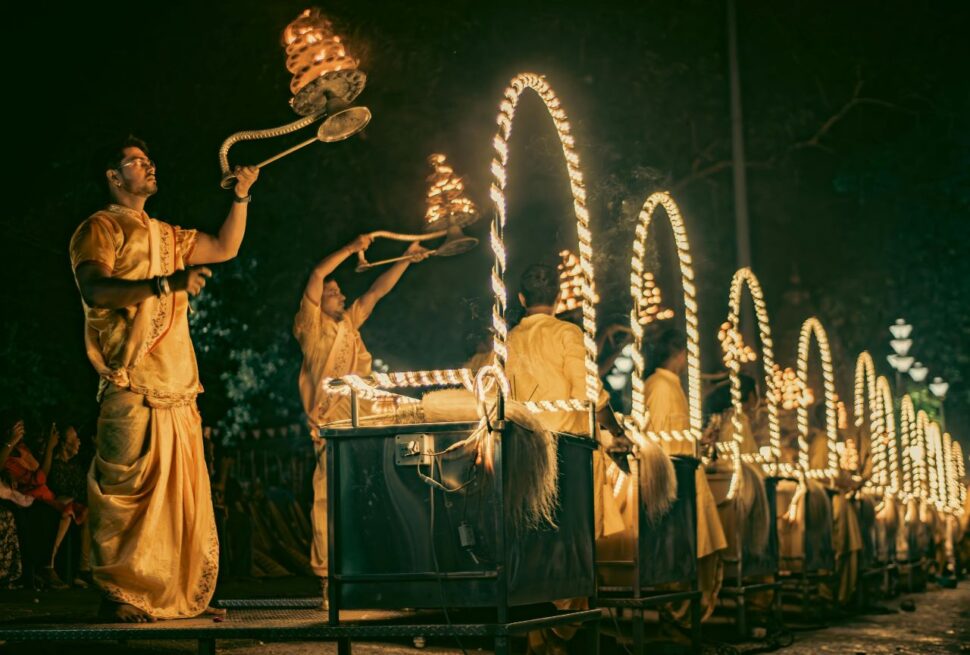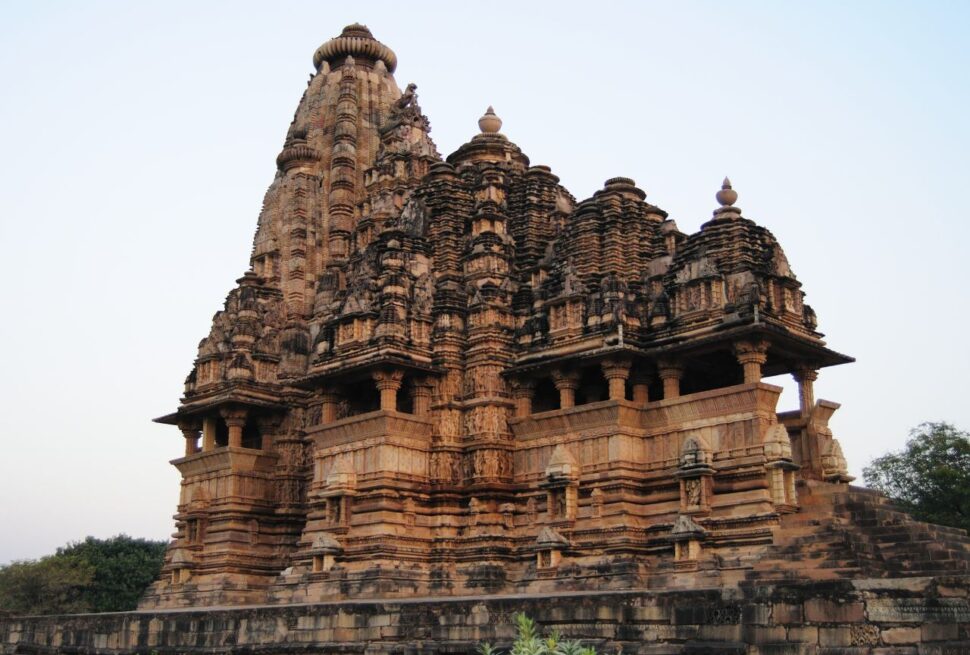
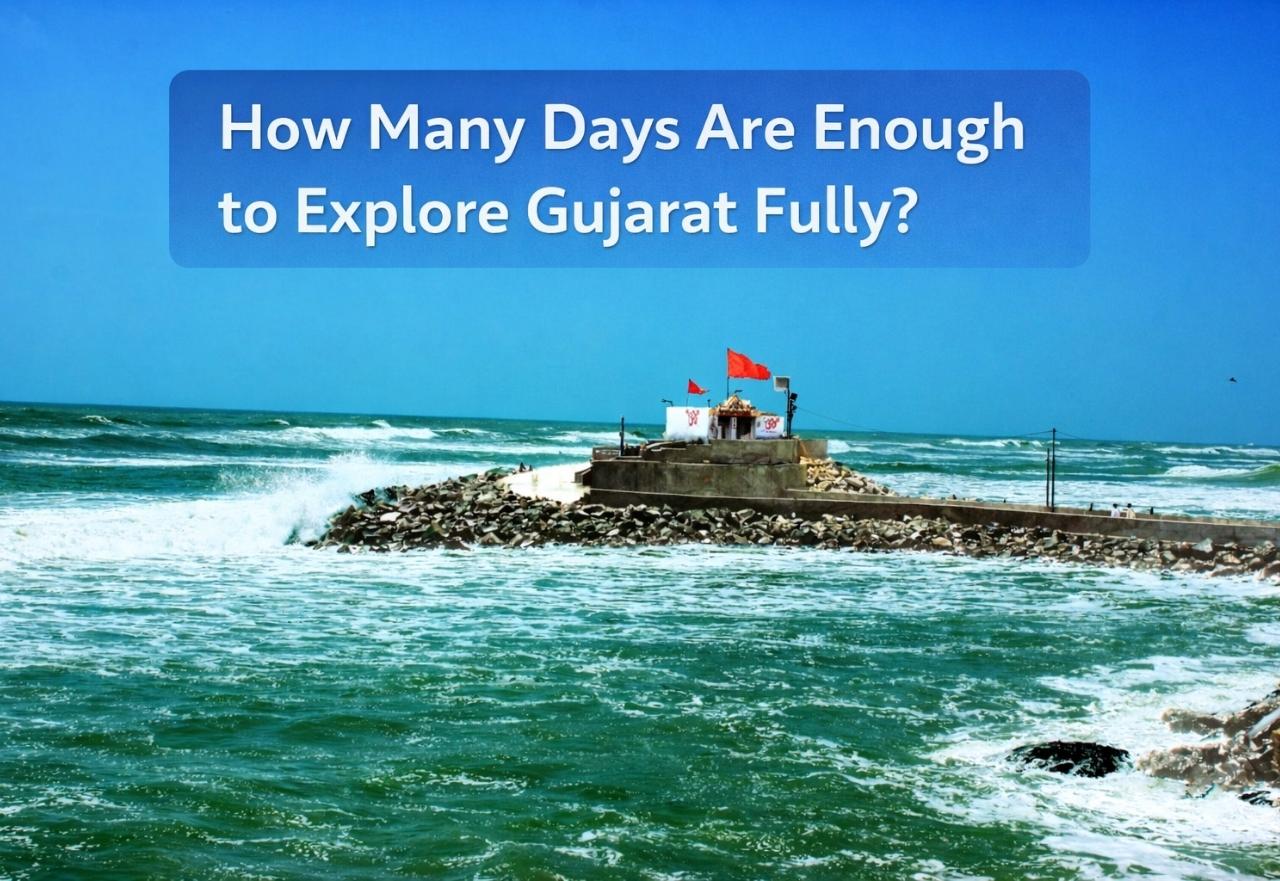
Gujarat doesn’t just tell its history—it lives it. You hear it in temple bells at dawn, see it etched into stepwells built for devotion (not decoration), feel it in salt deserts glowing under moonlight, and witness it in forests that protect the last Asiatic lions on Earth. That’s why the Ultimate 7–10 Day Gujarat Itinerary: A Complete, High-Impact Travel Guide to Heritage, Wildlife, Spirituality, and Living Culture isn’t about rushing from one pin on a map to another. It’s about rhythm—slow mornings, long conversations, and landscapes that change your pace whether you like it or not.
A well-planned 7–10 day journey strikes the sweet spot. You’ll get cultural depth without burnout, wildlife thrills without logistical chaos, and spirituality without sermonizing. In short, you’ll experience Gujarat as a living civilization—dynamic, opinionated, welcoming—rather than a museum with glass cases.
Why 7–10 Days Are Sufficient for Gujarat
Let’s be honest—India can overwhelm if you overpack. Gujarat rewards restraint. With excellent roads and thoughtfully clustered highlights, a 7–10 day plan delivers immersion without exhaustion.
What this duration achieves:
- Seamless transitions from urban heritage to remote natural wonders
- Balanced exposure to spirituality, wildlife, architecture, and cuisine
- Time-efficient travel that still leaves room for serendipity
And yes, it leaves space for chai breaks. Plenty of them.
Day 1–2: Ahmedabad — The Cultural & Architectural Heart of Gujarat
Why Ahmedabad Sets the Tone
Start in Ahmedabad, India’s first UNESCO World Heritage City, and you’ll understand Gujarat’s DNA within hours. Sultanate minarets, Jain woodwork, colonial institutions, and Gandhian ideals coexist in walkable neighborhoods. It’s layered, lively, and never boring.
Key experiences you can’t skip:
- Sabarmati Ashram — Quiet, contemplative, and grounding
- Adalaj Stepwell — Geometry meets mythology and climate science
- Sidi Saiyyed Mosque — Those stone lattice windows? Iconic
- Manek Chowk — Chaos, color, and carbs after dark
- Pol heritage walks through timber-carved havelis and shared courtyards
By the end of Day 2, you won’t just see Ahmedabad—you’ll feel its pulse.
Day 3–4: Rann of Kutch — The White Desert & Living Traditions
Why the Rann Is Unmissable
The Rann of Kutch turns geography into poetry. Vast, reflective, and eerily silent, it feels otherworldly—especially under a full moon. Winter brings cultural celebrations, but even off-season visits have their magic.
Highlights that linger:
- Moonlight walks across the White Rann (hard to describe, impossible to forget)
- Dholavira — Precision-planned urbanism from 4,500 years ago
- Kala Dungar — Panoramic desert views and folklore
- Bhuj — Embroidery, leatherwork, and artisan villages
Stay in traditional bhungas if you can. They’re comfortable, climate-smart, and your stay supports local communities—win-win.
Day 5–6: Gir National Park — Realm of the Asiatic Lion
Why Gir Defines Gujarat’s Wildlife Legacy
Gir National Park is conservation done right. It’s the world’s only natural home of the Asiatic lion and a powerful example of coexistence between people and predators.
Safari & cultural encounters:
- Early-morning jeep safaris (best light, best sightings)
- Devalia Safari Park — Controlled zone, reliable sightings
- Interactions with Maldhari and Siddi communities who share the forest
Eco-resorts near Sasan Gir offer comfort without breaking the spell. Fall asleep to forest sounds—it’s something else.
Day 7–8: Dwarka & Somnath — Gujarat’s Coastal Spiritual Axis
Why This Spiritual Circuit Matters
On Gujarat’s western edge, devotion meets the Arabian Sea. The circuit linking Dwarka and Somnath blends mythology, history, and crashing waves.
Dwarka highlights:
- Dwarkadhish Temple — Alive with ritual
- Bet Dwarka — Ferry ride included
- Nageshwar Jyotirlinga — One of the twelve sacred Jyotirlingas
Somnath moments:
- Somnath Temple — Rebuilt again and again, undefeated
- Bhalka Tirth — Quiet, reflective
- Triveni Sangam — Sunrise rituals by the sea
This stretch isn’t preachy—it’s powerful, especially at dusk.
Day 9–10: Vadodara & Champaner-Pavagadh — Royal Grandeur & Archaeology
Why Extend the Journey
If time allows, central Gujarat adds polish and perspective. Vadodara surprises with elegance, while Champaner-Pavagadh Archaeological Park reveals medieval urban planning at scale.
Key sites:
- Laxmi Vilas Palace — One of the world’s largest private residences
- Stepwells, mosques, and fortifications across Champaner
- Kalika Mata Temple — Panoramic views worth the climb
Visual Route Overview — Recommended Travel Flow
Ahmedabad → Rann of Kutch → Gir National Park → Dwarka → Somnath → Vadodara → Champaner-Pavagadh
It flows logically, minimizes backtracking, and—most importantly—keeps the story cohesive.
Practical Travel Insights for Gujarat
Best time to visit: October to March (pleasant weather, festivals, Rann Utsav)
Getting around:
- Arrive via Ahmedabad’s international airport
- Private car = maximum flexibility
- Gujarat Tourism buses for budget travelers
Don’t leave without tasting:
- Gujarati thali, khaman dhokla, thepla
- Undhiyu, handvo, seasonal farsan
- Local sweets made with jaggery and ghee
FAQs
Is Gujarat suitable for first-time India travelers?
Absolutely. It’s well-connected, safe, and culturally rich without being overwhelming.
Can this be done in 7 days instead of 10?
Yes—skip Vadodara/Champaner and move a bit faster elsewhere.
Is the itinerary family-friendly?
Very. Wildlife safaris, heritage walks, and spiritual sites suit all ages.
What about vegetarian food?
You’re in paradise—Gujarat does vegetarian cuisine like no other.
Conclusion: Why This Gujarat Itinerary Delivers More
The Ultimate 7–10 Day Gujarat Itinerary: A Complete, High-Impact Travel Guide to Heritage, Wildlife, Spirituality, and Living Culture reveals a state that refuses to sit still. Faith here is practiced, not posed. History is inhabited, not archived. From heritage cities and salt deserts to lion forests and sacred shores, Gujarat rewards travelers who crave continuity and authenticity.
You won’t just come back informed—you’ll return changed, carrying stories etched in stone, salt, and soul. And honestly? That’s the kind of travel that sticks.