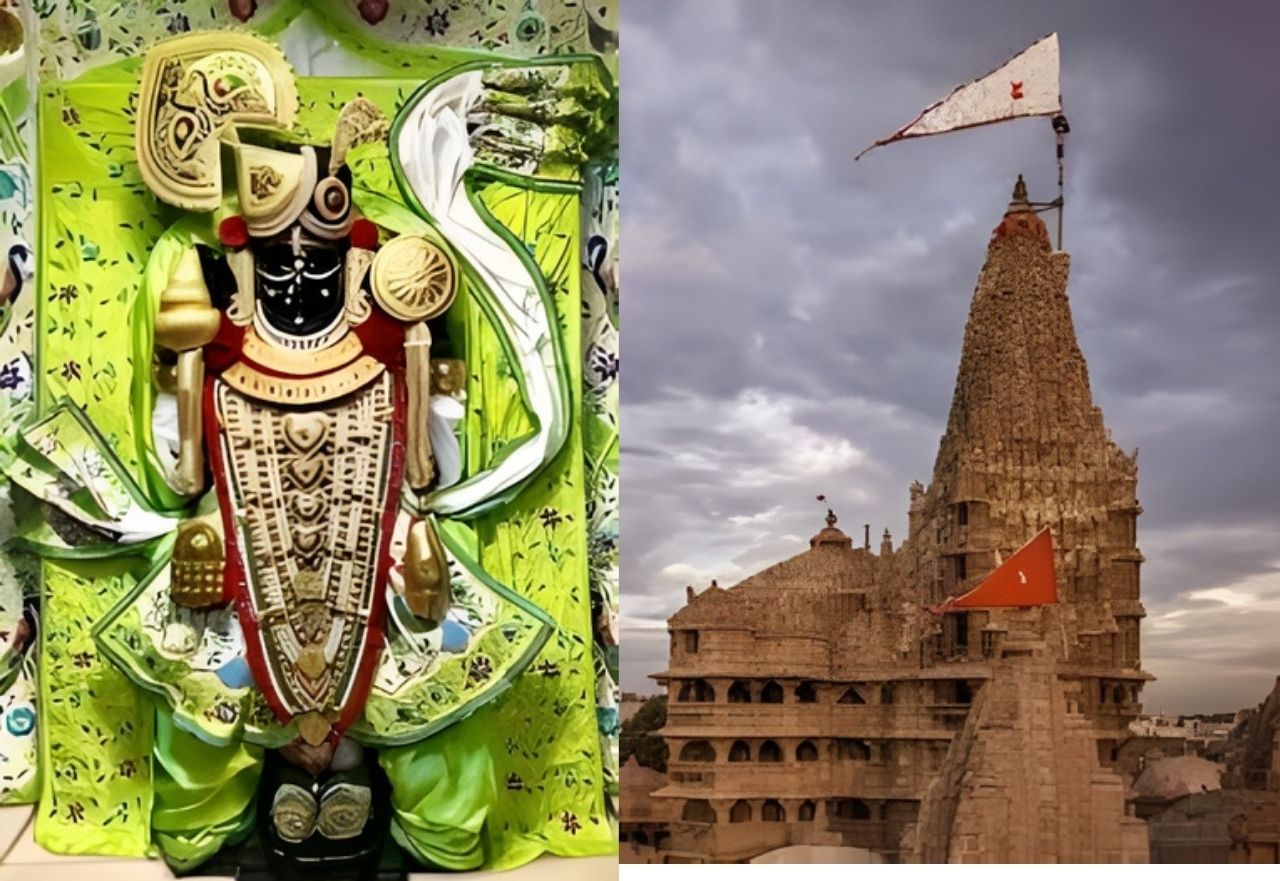
Ever noticed how some places ask you to slow down, almost whispering, stay a little longer? Dwarka is not only visited—it is experienced. Tucked along Gujarat’s western edge, this ancient coastal town blends mythology, ritual, sea breeze, and a lived-in calm that sneaks up on you. One moment you’re tracing temple corridors; the next, you’re watching waves erase footprints at sunset. It’s a lot—and yet, it feels right.
This guide keeps things human and practical. We’ll walk through what to pack by season, how to move through a thoughtfully paced , where devotion meets performance in the Raasleela of Lord Dwarkadhish, and why lingering beats rushing every single time. Ready? Let’s go with MP Vacation Indore
Why Dwarka Stays With You
Before lists and logistics, a feeling. Dwarka’s power lies in continuity—chants that sound the same across centuries, rituals timed to tides, and a coastline that teaches patience. You’re not here to tick boxes. You’re here to absorb.
At the heart of it all stands Dwarka, a sacred city associated with Krishna’s reign. Around it orbit temples, ghats, and beaches—each offering a different shade of quiet.
When to Go & What to Pack (Season-Smart, No Guesswork)
Packing well means fewer distractions and more presence. Here’s how to match your bag to the weather.
Summer (March–June): Keep It Light, Keep It Hydrated
The sun means business. Plan early mornings and late evenings.
- Lightweight cotton clothing
- Sunscreen, sunglasses, cap
- Reusable water bottle
- Comfortable walking sandals
Pro tip: Cotton kurtas and airy dresses are lifesavers. By noon, you’ll thank yourself.
Monsoon (July–September): Embrace the Drama, Stay Dry
Rains turn the town lush and reflective—beautiful, but slippery.
- Raincoat or umbrella
- Waterproof footwear
- Extra dry clothing
- Mosquito repellent
Heads up: Sea views get moody. Carry patience and an extra pair of socks.
Winter (October–February): Gentle Days, Cool Evenings
Arguably the most comfortable stretch.
- Light jackets and sweaters
- Moisturizer and lip balm
- Closed shoes for evenings
- Thermos for warm beverages
Yes, a warm sip during a breezy sunset hits different.
Also read :
A Calm, Experience-First Plan: Suggested 2-Day Spiritual Route in Dwarka
Day 1: Arrival, Anchoring, and the Sea
- Arrival in Dwarka: Check in, unpack, exhale.
- Dwarkadhish Temple Darshan: Go early. Let the bells set your pace.
- Gomti Ghat Rituals: Observe the river meeting the sea—symbolism everywhere.
- Dwarka Beach Sunset: No rush. Watch the horizon do its thing.
Day 2: Circles of Devotion
- Nageshwar Jyotirlinga: A short drive, a deep stillness.
- Rukmini Devi Temple: Stories of devotion and distance linger here.
- Bhadkeshwar Mahadev Temple: Tides surround faith—timing matters.
- ISKCON & Swaminarayan Mandir: Soft chants, community warmth.
- Departure: Carry less hurry, more calm.
Witness the Raasleela of Lord Dwarkadhish
Here’s where devotion dances. One of the most captivating spiritual traditions here is the Raasleela of Lord Dwarkadhish, symbolizing divine love and cosmic harmony. During festivals, the performances unfold with color, rhythm, and storytelling that feels—somehow—both ancient and immediate.
Timed visits let travelers witness devotional narratives brought vividly to life. Drums echo, expressions speak, and suddenly, mythology isn’t a chapter—it’s happening in front of you. Goosebumps? Pretty much guaranteed.
Also read : Luxury Mahakaleshwar–Omkareshwar Spiritual Retreat (4Days)
How to Move Through Temples Without Feeling Rushed
A few ground rules help:
- Early mornings win. Fewer crowds, softer energy.
- Dress respectfully—and comfortably. You’ll walk more than you think.
- Leave buffer time. Rituals don’t follow clocks; they follow rhythm.
- Observe first, photograph later. Presence beats pictures.
Food, Rest, and Small Comforts
Spiritual days need grounding meals. Stick to simple vegetarian thalis, fresh fruits, and lots of water. Afternoon rests aren’t laziness—they’re wisdom. And yes, a short nap can be spiritual too.
Also read : Explore Statue of Unity Tour Package – 2 Nights / 3 Days
Frequently Asked Questions
Why should we visit Dwarka, Gujarat?
We recommend Dwarka for travelers seeking a harmonious blend of spirituality, history, coastal serenity, and cultural continuity. It’s reflective without being overwhelming—ideal for families, solo seekers, and elders alike.
Which are the must-visit places in Dwarka?
Dwarkadhish Temple, Gomti Ghat, Nageshwar Jyotirlinga, Rukmini Devi Temple, Bhadkeshwar Mahadev Temple, and Dwarka Beach form the core experience.
How do travelers reach Dwarka?
Dwarka is accessible by road and rail. The nearest airport is Jamnagar, with regular connections onward by road or train.
Is two days enough?
Two days are perfect for a first, unhurried immersion. If you’ve got more time, add a buffer day—Dwarka rewards lingering.
A Note on Timing, Festivals, and Flow
If possible, align your visit with major festivals. That’s when the town hums—chants grow louder, colors deepen, and community spirit shines. Just remember: crowds rise too, so patience becomes part of the practice.
Conclusion: Leave With Less Hurry, More Stillness
Dwarka is not a destination to rush—it is a place to absorb. With thoughtful planning, season-smart packing, and an experience-first route, the city opens gently. You’ll leave with sand in your shoes, calm in your chest, and stories that don’t fade fast.
Come prepared. Come curious. And let Dwarka do what it does best—slow you down, then quietly stay with you long after you’ve gone.