1. Kanha National Park — The Soul of Indian Wildlife
Location: Mandla and Balaghat Districts
Established: 1955
Area: 940 sq. km
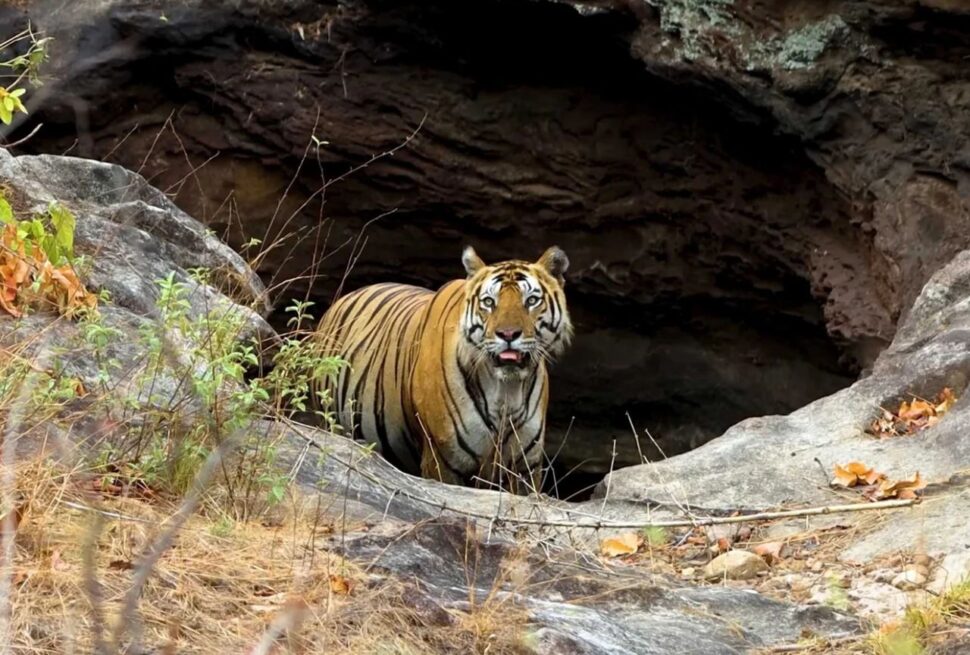
Kanha National Park, one of India’s largest and most celebrated wildlife reserves, is a land where nature paints her finest masterpiece. Known as “Tiger Land,” Kanha is the birthplace of the Central Indian Barasingha conservation success story, which saved the species from extinction.
Visitors can witness a thriving ecosystem of tigers, leopards, wild dogs (dholes), bison, and deer across undulating plateaus and valleys framed by the Banjar and Halon rivers. Kanha’s luxurious lodges and guided safaris make it an unmissable destination for wildlife enthusiasts.
2. Bandhavgarh National Park — The Tiger Capital of India
Location: Umaria District
Zones: Tala, Magadhi, and Khitauli
Bandhavgarh National Park boasts one of the highest densities of Royal Bengal Tigers in India. Beyond its big-cat fame, Bandhavgarh is steeped in legend — the name “Bandhavgarh” refers to “Brother’s Fort,” linked to the mythological bond between Lord Rama and Lakshmana.
A safari through its Tala zone reveals the Shesh Shaiya, a colossal reclining statue of Lord Vishnu, ancient fort ruins, and mesmerizing landscapes. It’s not just a park — it’s a tapestry of wildlife and history intertwined.
3. Pench National Park — The Land of Kipling’s Jungle Book
Location: Seoni and Chhindwara Districts
Area: 758 sq. km
Immortalized by Rudyard Kipling’s Jungle Book, Pench National Park is a living storybook where the wilderness breathes magic. The Pench River meanders through teak forests, home to leopards, tigers, deer, monkeys, and the elusive black panther.
Pench is also famed for the legendary “Collarwali Tigress,” affectionately called the “Supermom of Pench,” who raised 29 cubs — a record in Indian wildlife history.
4. Satpura National Park — The Hidden Wilderness
Location: Narmadapuram District
Area: 524 sq. km
Nestled in the rugged Satpura Ranges, this national park remains one of India’s best-kept secrets. Its varied topography — hills, valleys, and gorges — shelters rare species like the Indian giant squirrel, sloth bear, and leopard.
Visitors can experience canoeing, trekking, camping, and the historic Forsyth Trail, following the footsteps of Captain James Forsyth, who explored this region in 1857. Satpura’s tranquility makes it ideal for those seeking offbeat eco-tourism experiences.
5. Panna National Park — The Jewel of the Vindhyas
Location: Panna and Chhatarpur Districts
Area: 542.67 sq. km
Once declared “tigerless,” Panna National Park now stands as a model of successful tiger reintroduction. Its rugged cliffs and teak forests cradle the Ken River, home to crocodiles, gharials, and a stunning diversity of birdlife.
Nearby attractions include the Khajuraho Temples (UNESCO World Heritage Site), Pandav Falls, and Raneh Falls, making Panna a seamless blend of adventure and cultural exploration.
6. Van Vihar National Park — Urban Wilderness of Bhopal
Location: Bhopal City
Area: 4.45 sq. km
Situated beside the serene Upper Lake, Van Vihar combines the thrill of wildlife with the comfort of urban accessibility. This unique park shelters leopards, bears, crocodiles, and migratory birds, offering walking and cycling trails for visitors.
It also features an Interpretation Centre, which promotes conservation awareness through educational exhibits and nature programs.
7. Madhav National Park — The Royal Retreat of Shivpuri
Location: Shivpuri District
Area: 354 sq. km
Once the royal hunting grounds of the Scindias, Madhav National Park is a captivating blend of nature and history. Its Sakhya Sagar and Madhav Sagar Lakes attract crocodiles and migratory birds, while the George Castle and Madhav Vilas Palace echo tales of princely grandeur.
Recently, tiger relocation projects have revived its wild legacy, making it a promising site for future tiger sightings.
8. Sanjay-Dubri National Park — The Undiscovered Sanctuary
Location: Sidhi District
Area: 831 sq. km
A pristine forested expanse teeming with tigers, leopards, deer, and white-rumped vultures, Sanjay-Dubri is an unspoiled haven for true explorers. Near the park lies Parsili, where travelers can enjoy barefoot walks along the Banas River and stargaze under crystal-clear skies.
9. Kuno National Park — Home of the Cheetah
Location: Sheopur District
Area: 404 sq. km
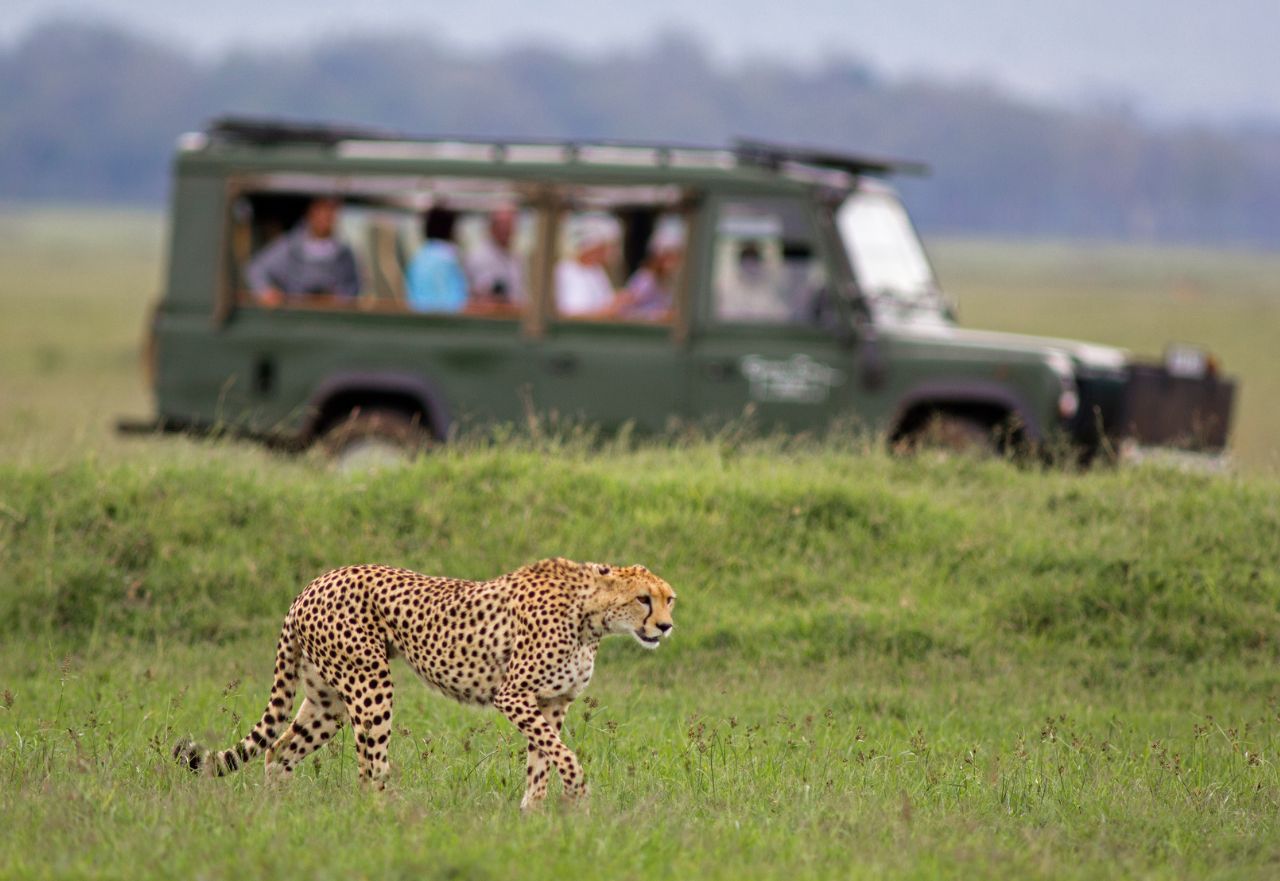
The Kuno National Park made global headlines when India reintroduced cheetahs here after 75 years of extinction. The park’s dry deciduous forests and riverine landscapes provide an ideal habitat for these graceful sprinters.
Attractions such as Dobkund Waterfall and the Palpur Fort add cultural charm, while Kuno Jungle Resort offers luxury amidst the wilderness.
10. Ghughwa Fossil National Park — A Glimpse into Prehistoric India
Location: Dindori District
Area: 75 acres
Ghughwa Fossil Park is a geological wonderland, preserving fossilized plants and trees that date back 40 to 150 million years. It provides an unparalleled opportunity to trace the evolution of flora in India — a museum of Earth’s deep history in open air.
11. Dino Adventure Park — Madhya Pradesh’s Prehistoric Playground
Location: Near Mandu, Dhar District**
Distance: 4 km from Mandu
The Dino and Fossil Park is a thrilling educational destination featuring life-sized dinosaur replicas, fossil displays, and dinosaur eggs excavated from nearby regions. It offers a blend of entertainment and scientific exploration, perfect for families and students.